Resources / Health & Conditions
Diabetes in the Elderly: A Caregiver's Daily Routine
· Oakcare Team
Managing diabetes in an older parent is mostly about steady daily routines rather than complex medical decisions. A guide for families on what good day-to-day care looks like.

Managing a parent's type 2 diabetes is mostly daily work at home, meals, medication, and a few small habits. The doctor sets the prescription and adjusts it every few months; the family handles the rest. That's mostly good news, because it means a lot of how well your parent does is within your control. It also means the work doesn't really stop.
This is for adult children caring for a parent with type 2 diabetes: what a good daily routine looks like, and where the risks you can manage actually are.
Meals: the shape matters more than the dishes
A diabetes-friendly diet doesn't need special foods or strict elimination, just small, consistent adjustments. A balanced plate is roughly half vegetables, a quarter lean protein, a quarter complex carbohydrate, and that holds whether the meal is Chinese, Malay, Indian, or Western.
- Switch carbohydrates slowly. White rice, bread, and noodles raise blood sugar quickly; brown rice and wholegrain raise it slower. For a parent who's eaten white rice their whole life, mix brown into white first, then shift the ratio over time. Forcing an overnight switch rarely sticks.
- Control the carb portion, not the whole meal. A rice bowl, not a heaping plate. The meal doesn't have to be small.
- Keep meal times regular. Three meals at roughly steady times keeps blood sugar more stable than skipped meals followed by big ones, and long gaps are risky on insulin or sulfonylureas.
- Watch the drinks. Kopi siew dai, sweetened soya bean, packet drinks, and juice all spike blood sugar. Plain water, unsweetened tea, and black coffee are the safer everyday choices.
Medication: consistency over complexity
What you control isn't the prescription, it's whether it's taken consistently, at the right time, with the right food.
- Use a weekly pill organiser. Fill the 7-day box on the same day each week. It catches missed doses and ends the daily "did I take my morning pill?"
- Know which need food. Metformin is gentler taken with meals; some others need an empty stomach. If the pharmacist didn't say, ask.
- Never stop abruptly. Even if your parent feels fine, stopping mid-stream can spike blood sugar for days. Talk to the doctor first.
- Keep a current medication list with dose, timing, and prescribing doctor, and bring it to every appointment.
Monitoring: less often than you'd think
For most parents with stable type 2 diabetes, checking several times a day isn't necessary and just creates anxiety. The doctor sets the frequency, often a finger-prick once or twice a week is enough; more if she's on insulin or unstable. Keep readings in a simple notebook; the doctor looks at trends, not single numbers. The HbA1c test every three to six months gives a more reliable picture than daily pricks.
Foot care: the routine most families miss
Diabetes can dull sensation in the feet, so a small cut or blister goes unnoticed, gets infected, and in serious cases turns into an ulcer. This is the part families skip, and it matters most.
- Check her feet daily, tops, soles, between the toes, heels, for cuts, blisters, redness, or swelling. Help if she can't see them easily.
- Wash daily, dry thoroughly between the toes. Moisturise tops and soles, but not between the toes.
- Trim nails straight across. If they're thick or hard to manage, a podiatrist a few times a year is worth it.
- No bare feet, even indoors. Slippers inside, well-fitted shoes outside, and check shoes for stones or folds before putting them on.
- Report any wound that doesn't heal in a few days. A minor-looking scrape can be the start of something serious.
Spotting low blood sugar
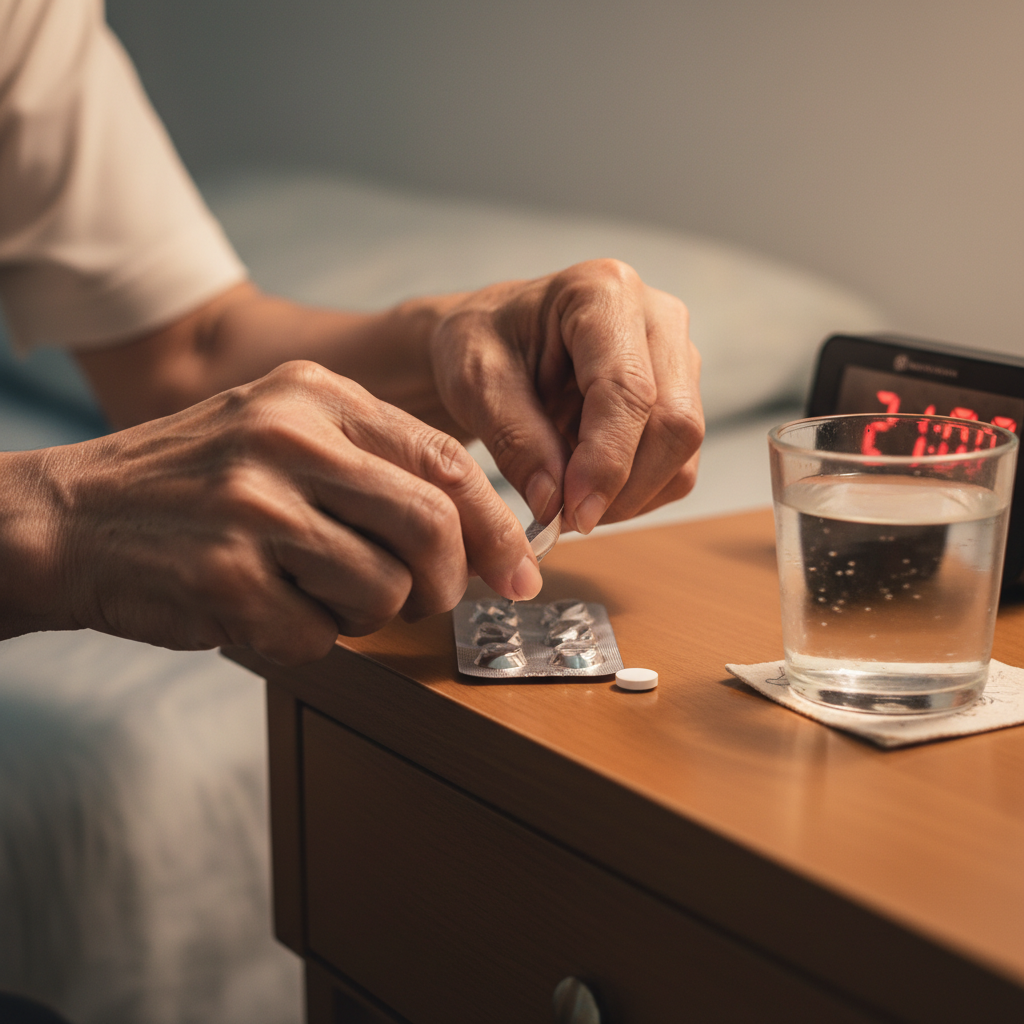
Low blood sugar (hypoglycaemia) is the main short-term risk on certain medications, and recognising it fast matters. Signs: sudden sweating, shakiness, confusion, dizziness, palpitations, hunger; in severe cases slurred speech, weakness, or collapse.
What to do:
- Give a fast-acting carbohydrate at once — three glucose tablets, half a glass of juice, a tablespoon of honey, or a few sweets.
- Wait fifteen minutes and check again. Repeat the carbohydrate if she hasn't improved.
- If she can't swallow or becomes unresponsive, call an ambulance.
- Avoid chocolate and sugar-free sweets. The fat in chocolate slows absorption, and sugar substitutes have no real glucose.
- Follow up once she's stable with a snack of protein and complex carb, like bread with peanut butter, to steady her over the next hour.
- Tell the doctor so the medication can be reviewed. Keep glucose tablets where you can reach them, at home and in her bag.
The big picture
Diabetes usually doesn't cause obvious problems day to day. The harm builds up slowly over years, to the eyes, kidneys, heart, and nerves, when blood sugar stays too high for too long.
So you're not aiming for perfect numbers. You're aiming to keep her blood sugar reasonably steady over the long run, and a simple routine she'll actually stick to does that better than a strict plan she gives up on in two months.
Oakcare helps families hire live-in care workers for elderly parents. Start matching at oakcarematch.com/find-carers.