Resources / Caregiver Resources
Getting Ready Before Your Live-In Carer Arrives
· Oakcare Team
The week before a carer moves in is the one most families skip. A little preparation makes the difference between a rocky first month and a smooth one.
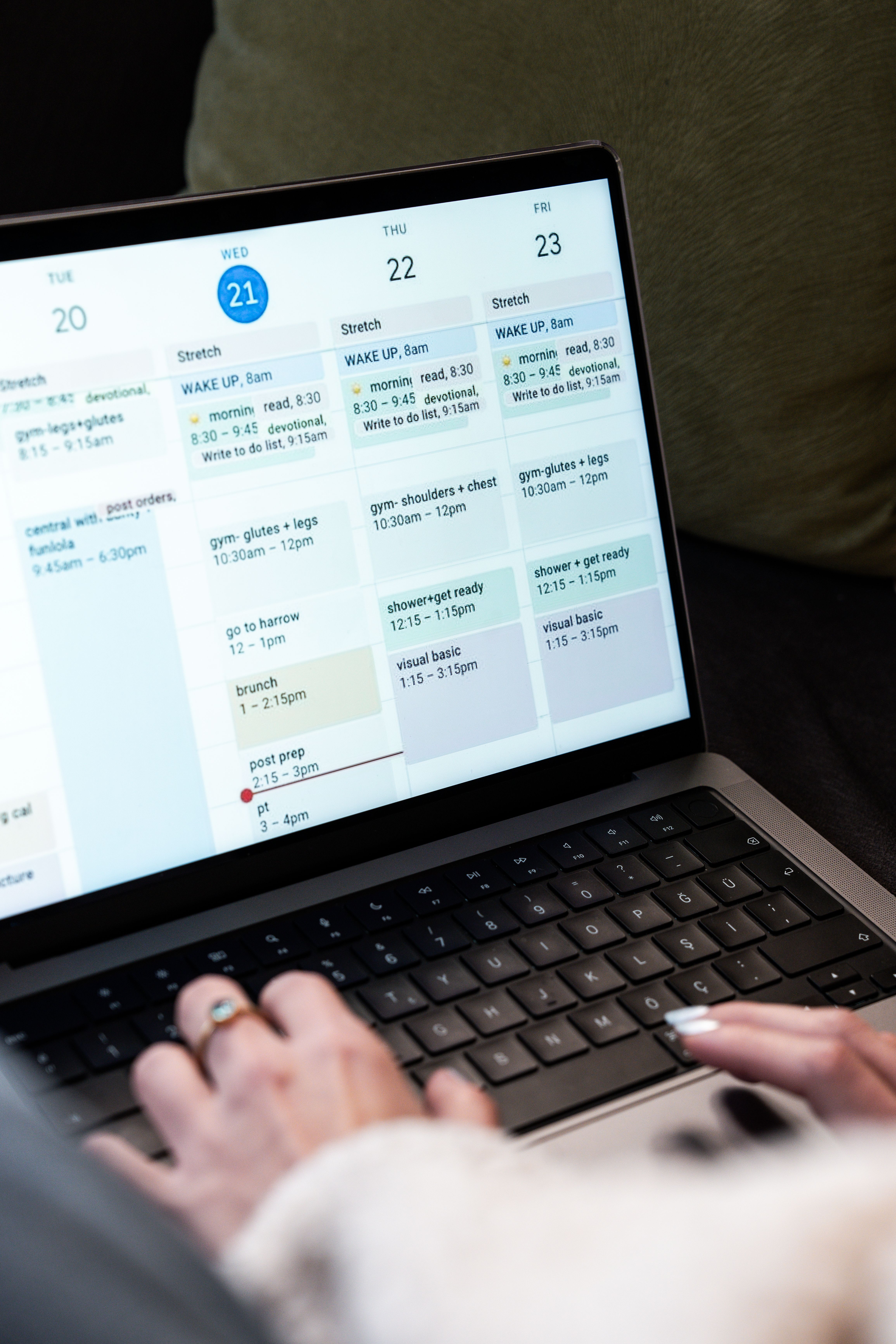
Most of the attention in hiring a carer goes into the search, the interview, the decision. Then someone is hired, a start date is set, and the week before they arrive passes in a blur. That quiet week is actually one of the most useful stretches you have. A little preparation now is the difference between a rocky first month and a smooth one.
None of this is complicated. It's just easy to skip, and worth not skipping.
Sort out where they'll live
A live-in carer needs a real space of their own, not an afterthought. A private room with a proper bed, somewhere to keep their things, and a door that closes matters more than you might think. Someone who rests properly and has a corner that's theirs does better work and stays longer. If the only option is a shared or small space, be honest about that upfront rather than discovering it on day one.
Think too about the practical flow of the home. Where will they prepare food, do laundry, store medications? Walking through the day in your mind before they arrive surfaces the small frictions early.

Write down what lives only in your head
This is the single most valuable thing you can do, and the most commonly missed. Right now, a huge amount of your parent's care exists only in your memory: medications and timings, the doctors and their numbers, what your parent can and can't do for themselves, their routines, their preferences, their moods, the things that comfort them and the things that set them off.
Put it on paper, even roughly. A one-page summary of medical basics, a simple daily routine, and a short list of likes and dislikes will save the carer weeks of guessing and your parent a lot of frustration. You'll also find the act of writing it clarifies things for you.
Make the home a little safer while you're at it
The arrival of a carer is a natural moment to fix the small hazards you've been meaning to address. Loose rugs, poor lighting on the route to the bathroom, a missing grab bar where it's needed, clutter on the stairs. The Agency for Integrated Care has guidance on home safety for older adults, and even a few cheap changes meaningfully reduce the risk of a fall in those first weeks when everyone is still learning the home.
You don't need to renovate. You need the obvious trip hazards gone and the path your parent walks most often, usually bed to bathroom, as safe as you can make it.
Have the conversation with your parent first
If your parent hasn't fully made peace with the idea, the days before arrival are the time to talk, not the moment the carer walks in. Keep it simple and honest: someone is coming to help with the daily things, so that life at home can carry on. Frame it around their independence and staying in their own home, which is usually what they care about most, rather than around their decline.
Avoid overselling or making promises about the specific person. Let your parent meet the carer as a real human being rather than a saviour you've built up. Managing expectations gently on both sides makes the first meeting easier.
Get the paperwork and basics in order
Have the practical pieces ready so the first days aren't lost to admin: any contract or agreement clear and signed, keys sorted, emergency contacts written down and visible, a small amount of household cash arrangement agreed, and the carer's own documents in order. If a work pass is involved, make sure that's settled before the start date rather than after.
Plan the very first day
It's worth thinking through the actual arrival, not just the lead-up. Arriving to an empty house and a rushed introduction sets a cold tone; a calm first day sets a warm one. If you can, be there to welcome the carer, show them their space, walk them through the home unhurried, and make the introductions yourself rather than leaving your parent and a stranger to work it out alone.
Keep the first day light on demands. Let the carer get their bearings, unpack, and simply be present with your parent before the full routine kicks in. A shared first meal, even a simple one, does more to start the relationship than any list of instructions. First impressions run in both directions, and a thoughtful arrival tells the carer they've joined a household that will treat them well.
A calm start sets the tone
Walking into a prepared home, a real room, a written routine, a parent who's been gently readied, tells a new carer that this is a household that takes the arrangement seriously. That first impression shapes how the whole thing goes.
At Oakcare we help families through the practical setup as well as the matching, because a good start matters as much as a good hire. When you're getting ready to welcome a carer into your parent's home, we're here to help you prepare.