Finding a Way Through
· OakCare Team
Caring for a parent stays hard, but a few things change how you carry it: getting clear on what's truly expected, respecting who they still are, pacing yourself, and finding comfort in the day in front of you.
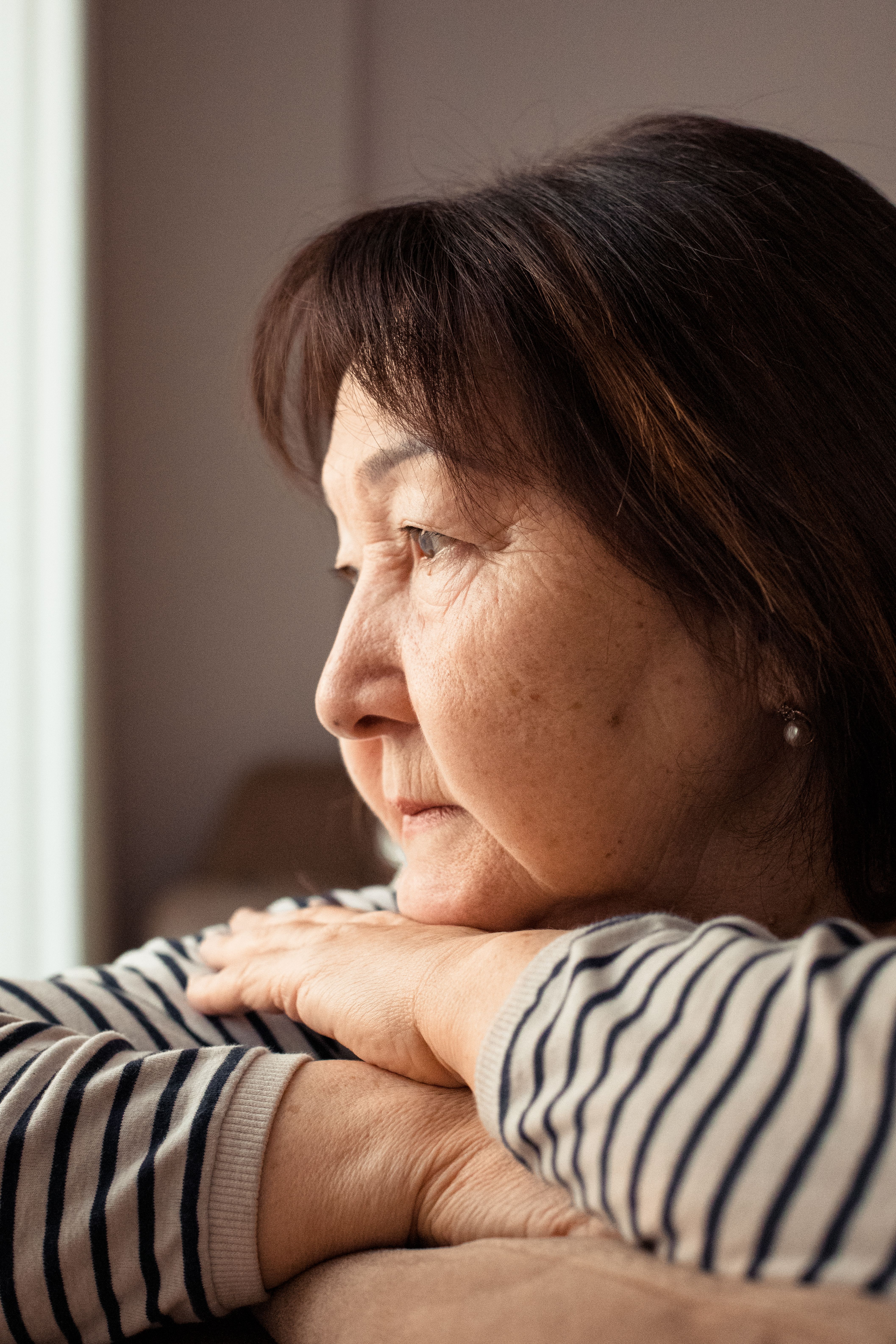
Some of what makes this journey bearable isn't practical at all. It's a handful of things that change how you carry it: what you expect, how you treat your elders, how you treat yourself, and what you hold onto when it's hard.

Get clear on what's actually expected
When a parent starts needing care, whether it comes with an illness or gradual aging, there's often a surge of emotion in the family. People may feel they have to step up, do more, take control. Others may pull back, feeling uneasy, lost, or unwilling to face the hard reality.
Everyone handles it differently. And somewhere in the middle of it, you find yourself trying to work out what's actually being asked of you.
What helps is getting clear on what's actually expected, rather than what you assume is. What does your parent really want from you, and for you. What do the people around you actually expect. What do you expect of others, and is that fair to hold onto.
Most of these expectations one would find to be self-imposed, and getting clear on this lifts a lot of the unnecessary emotional weight, for you and for everyone around you.
Respect who they still are
As they need more help, the hardest balance is looking after a parent in fairly basic ways, while respecting that they're still an adult.
Striking this balance starts with respecting their wishes, even when their choices aren't the ones you'd make. If they insist on their roast pork when it's bad for them, you let them have the roast pork. Your role isn't to be responsible for the outcome of their life, but to provide some structure and support around them, so the quality of their days can be maintained.
The time you spend is better used staying their child and preserving that relationship through quality time. You're there to support and to witness their aging years with calm, and assurance that you're your own person.
Pace yourself, and lean on help
It may be a long road, and an uncertain one, so you can't run it at a sprint. Pacing means knowing when you're tired, instead of pushing past it until there's nothing left. It means not giving up everything else that's yours, your work, your interests, the things that make you yourself. Looking after someone doesn't have to mean disappearing.
This is also where help comes in. You don't have to provide all of it yourself. Knowing what's out there, home care, day programmes, respite, facilities for heavier needs, lets you find the line between what you give and what you bring in. We've written more on weighing the options and on what care actually costs, so the practical side feels less like a fog.
You can't pour from an empty cup. The version of you that's centered and still has a life is more use to the people you love than the version running on empty.
You will come through it
Decline is hard to feel hopeful about. Trying to view loss with optimism, or to look forward to what's coming, would only feel false. And imagining some perfect arrangement where it all goes smoothly isn't realistic either.
What's true is more ordinary than that, and steadier. You can be present. You can do your best. You can let the road unfold as it will, and trust that you'll come out the other side of it, because you will.
And while you're in it, the comfort and quality of life isn't somewhere up ahead. It's in the day in front of you. A good meal together. A quiet afternoon. A moment they're settled, or laughing, or simply recognising the familiarity and bond.